Arc flash is an electrical discharge or explosion that comes from a connection through air to ground or another voltage phase in an electrical system. This uncontrolled release of energy leaves its intended path and travels from one conductor to another, causing dangerous heat and light exposure.
What Causes Arc Flash?
Arc flash most commonly occurs due to human error, but non-electrical contact can also cause an incident. Consistency in safety practices and forming good habits on the job is key to preventing arc flash.
For example, a worker may use an uninsulated tool, such as a screwdriver, to perform routine maintenance on a control panel. If the worker mishandles the screwdriver and contacts the electrical ground, the flow of electrical current could jump to the tool, causing a direct release of arc flash.
Distractions or pressure to get the job done quickly can commonly result in operator error. There are also countless environmental factors that cause arc flash: Excessive dust and debris can result in a faulted electrical path, pulling energy to another conductor. The failure to follow routine equipment maintenance can result in corrosion which leads to conductive surface exposure. Condensation or any liquid near electrical equipment will spark an arc flash within any level of electrical current.
A majority of environmental factors occur when conductive surfaces are exposed. With many levels of electrical current flowing through the conductors, faulty tool handling, corroding insulation, and potential wear on improper installation will result in a major arc flash.
Arc flash is dangerous due to:
Thermal energy
Intense light
Pressure wave
Sound bursts
Factors that determine the severity of arc flash include:
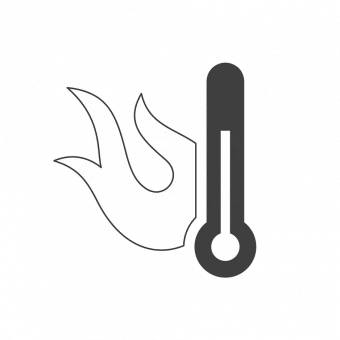
Temperature
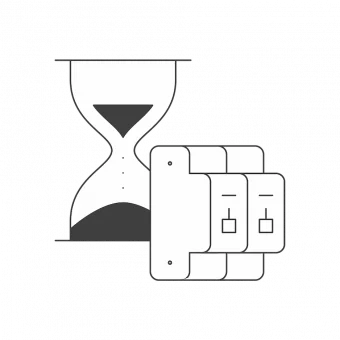
Time of a circuit break
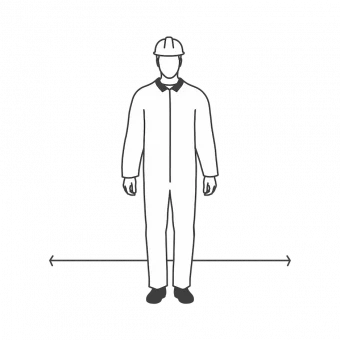
Distance of hazard from employee
Temperature
Time of Circuit Break
Distance of Hazard
Temperature
The energy released during an arc flash can get up to 35,000 °F, discharging electrical voltage hotter than the sun. Any nearby metals will melt and the electrical cabinet within a circuit will vaporize and cause a massive explosion, severely damaging any human body near the arc flash.
Circuit Break Time
An electrical fault is the most common factor for a circuit break. The circuit trips react to an excess of current, faulty components, or a power surge. Ideally, a circuit breaker should never trip when sending current electrical waves, but insulation can only tolerate the regulated current for so long before degrading. It is important to know the time it takes between a breaker to be triggered after a circuit overload, before automatically handling the circuit.
Hazard Distance
It is hard to note the common distance of an arc flash due to varying identifiers that affect the arc flash indicators. Arc flash distance risk can be assessed by the distance from an individual’s face or chest to the prospective arc sources. The arc flash boundary is measured by the furthest distance an individual must be without PPE to only receive second-degree burns from arc flash exposure. Therefore, arc flash PPE is necessary in all handling procedures.
What PPE Do I Need for Arc Flash Protection?
Protective Clothing and the Hazard
Arc flash PPE is the main line of defense for the body from severe injuries. It is critical in preserving the protection of electrical workers and bystanders. Appropriate requirements of arc flash PPE include fire and heat resistant gear with self-extinguishing properties to protect the body from skin, vision, and hearing dangers.
Loose-fitting garments provide thermal insulation with heated, trapped air – while also increasing the chance of an accident through hindered movement and vision. Tight fitting or lower-level PPE can expose the electrical worker to life-threatening injuries.
Some employees are required to wear long-sleeve shirt and pants, while others are required to wear a full arc flash suit.
Arc flash suits are measured to meet a range of performance levels. These performance ratings indicate the level of protection required for the potential arc flash exposure.
Arc ratings are defined as the amount of energy a particular fabric can withstand before causing second-degree burns. This measurement of insulation can be determined through the calories measurement within the category rating. The higher the CAL and CAT numbers, the higher arc rating a garment is required to meet.
CAL and CAT Rating
CAL (calorie) is a unit of measure to heat energy based on arc flash and FR PPE levels. It can be calculated through cal/cm².
CAT (category) provides the category level of arc flash injury protection. Fabric type and garment design both factor into the number of calories within the CAT rating. There are four CAT rating groups [Minimum Arc Rating (calories/cm²)]:
CAT I: 4.0 cal/cm²
CAT II: 8.0 cal/cm²
CAT III: 25 cal/cm²
CAT IV: 40 cal/cm²
or
Category 1: Minimum Arc Rating 4.0 cal/cm²
This level requires a single layer of arc-rated PPE, requiring long sleeve and pant, face and head protection, as needed arc rated jacket to hit minimum arc rating.
Category 2: Minimum Arc Rating 8.0 cal/cm²
This level requires a long sleeve shirt and pants – or coverall, AR face and head protection, and as needed the arc rated jacket or parka.
Category 3: Minimum Arc Rating 25 cal/cm²
Required garments include arc rated flash suit jack and AR pant/coverall, face and head protection, hand protection, and as needed the arc rated jacket or out layer.
Category 4: Minimum Arc Rating 40 cal/cm²
This level requires AR clothing to hit the minimum rating through flash suit jacket and AR pant or coverall, face and head protection, hand protection – additional PPE including hard hat, eye protection, hearing and foot protection.
With specifications on CAT ratings, employers are able to maximize arc flash protection with each layer. Properly identifying the level of protection needed can reduce the risk of burn severity amid the potential for an arc flash hazard.

![LAKELAND ARC FLASH Model Arc Flash CAT4 Protective Suit [AR43]](https://www.noah.com.sg/image/cache/catalog/1_Pictures/LAKELAND/Fyrban_ArcFlashSuit-500x500.JPG "LAKELAND ARC FLASH Model Arc Flash CAT4 Protective Suit [AR43]")
![LAKELAND ARC FLASH Model Arc Flash CAT4 Protective Suit [AR43]](https://www.noah.com.sg/image/cache/catalog/LAKELAND_ARC_flash_suit__www.noah.com.sg-500x500.jpg "LAKELAND ARC FLASH Model Arc Flash CAT4 Protective Suit [AR43]")
![LAKELAND ARC FLASH Model Arc Flash CAT4 Protective Suit [AR43]](https://www.noah.com.sg/image/cache/catalog/LAKELAND_arc_flash_ppe_arc_flash_protection_hazard_risk_categories_www.noah.com.sg-500x500.jpg "LAKELAND ARC FLASH Model Arc Flash CAT4 Protective Suit [AR43]")
![LAKELAND ARC FLASH Model Arc Flash CAT4 Protective Suit [AR43]](https://www.noah.com.sg/image/cache/catalog/LAKELAND_arc_flash_ppe_ARC_flash_protection_www.noah.com.sg-500x500.jpg "LAKELAND ARC FLASH Model Arc Flash CAT4 Protective Suit [AR43]")